Understanding Senior Pet Health with Prairieville Animal Hospital
The shift from middle age to senior life for a pet arrives quietly, often with small changes that aggregate into something noticeable. At Prairieville Animal Hospital, we’ve learned that senior pet health demands specificity, steady monitoring, and a different posture toward care than what works in a younger animal. This article blends practical observation with the kind of nuanced medical planning you can translate into everyday routines. It’s written from years of hands-on work with dogs and cats whose owners embrace prevention, early detection, and thoughtful management of chronic conditions.
A practical mindset for seniors starts long before crisis hits. It rests on a few steady commitments: regular checkups, accurate daily observations, tailored nutrition, and a plan that anticipates diverse aging patterns. Each pet ages on a unique timetable. Some show slower mobility, others accumulate subtle cognitive changes, still others develop dental or skin issues that quietly erode comfort. The aim is to detect signals early, interpret them correctly, and act with steady, evidence-based care. Over time, that approach yields better quality of life and a longer, more comfortable aging process.
Understanding the aging body helps frame everything from vaccines to pain management to end-of-life decisions. The body’s systems do not fail all at once, but gradual declines in circulation, organ function, and muscle mass interact in ways that alter daily life. A senior pet can look otherwise normal until a certain trigger—heat exhaustion during summer, a respiratory infection, a dental abscess—that reminds us how fragile balance can be. At Prairieville Animal Hospital we emphasize proactive assessment, including frequent re-evaluations of risk factors that tend to accumulate with age.
Key differences in senior care compared to a younger pet are not just about treating illnesses. They encompass pacing, communication, and the caregiver’s expectations. Senior care requires more time in examinations, more attention to subtle cues, and an openness to adjust plans as circumstances change. The goal is not to chase a perfect health score but to support consistent function, steady energy, and comfort across the animal’s day-to-day activities.
Aging will inevitably change how a pet interacts with the world. Some dogs slow their walks, some cats hesitate at stairs, and a few animals show less interest in favorite toys. Changes in appetite, thirst, urination, or sleep patterns can signal anything from a benign shift to a developing problem. The important thing is to approach these shifts with curiosity and a willingness to investigate. At Prairieville Animal Hospital we favor a collaborative approach: veterinarians, technicians, and pet guardians form a team around the senior pet, sharing observations, setting goals, and adjusting the plan as needed.
Section by section, below, you’ll find a practical framework for navigating senior pet health with confidence. It blends routines you can implement now with considerations for what to discuss during your next veterinary visit. The aim is to help you read the language of aging more clearly, act on concerns sooner, and maintain a steady sense of control over your pet’s well-being.
Aging biology and everyday care
Aging is not a single disease. It’s a constellation of small changes across systems—muscle mass decline, slower metabolism, slower healing, and sometimes greater sensitivity to certain medications. The first step in practical senior care is recognizing how these changes reshape daily life and how they influence risk. For example, a dog with reduced mobility may be more prone to obesity if activity drops but appetite remains the same. A cat with kidney function gradually declining might tolerate dehydration poorly, making hydration a more critical concern. Understanding these patterns helps us tailor the approach rather than rely on a one-size-fits-all script.
Preventive care becomes especially powerful in the senior years. Vaccination schedules often shift as a pet ages, balancing protection against disease with the animal’s ability to respond to vaccines. Dental health remains a consistent driver of systemic health; dental disease is more than a local problem. In older pets, bacteria from the mouth can contribute to heart, kidney, and liver stress. Regular dental checkups, cleanings when indicated, and at-home dental hygiene become central to keeping energy and appetite stable. Prairieville Animal Hospital integrates dental assessment into routine wellness visits, not as a separate event, so guardians experience fewer appointments while receiving a more comprehensive picture of health.
Another pillar is nutrition. Senior bodies require fewer calories but higher quality ingredients to maintain lean mass and organ function. It’s not just about trimming calories; it’s about balancing protein levels, digestibility, and palatability. We often see good results when guardians shift toward foods designed for senior physiology, while the pet continues to enjoy meals that animal clinic prairieville la tempt appetite. This isn’t about chasing novelty; it’s about sustaining muscle, supporting kidney and liver function, and keeping joints comfortable. Our team can help you interpret labels in plain terms, identify triggers for food intolerance, and adjust portions to maintain an ideal body condition score. The interplay between nutrition and activity matters here: as energy dips, small dietary tweaks can preserve a pet’s zest for life without encouraging weight gain.
The human element matters as well. Caring for a senior pet is emotionally demanding and logistically complex. It requires steady routines and clear expectations about what constitutes trouble worth a call to the clinic. We encourage guardians to establish a simple habit: note changes in energy, mobility, appetite, and litter box habits, then record them for discussion at the next appointment. You don’t need an elaborate diary. A short, truthful log—needing help up three stairs, sleeping more in the afternoon, or drinking a little more water than usual—can become the map that guides care decisions.
Two-part approach to monitoring health
A practical way to structure care is to separate monitoring into two overlapping streams: routine wellness and targeted surveillance. Routine wellness focuses on maintaining baseline health and catching minor shifts before they become serious. Targeted surveillance is what we pursue when a pet has a known risk factor or a chronic condition, such as arthritis or early kidney changes. You’ll see this approach reflected in the appointment cadence, the tests suggested, and the way we interpret subtle signs of decline.
Routine wellness includes regular blood work at intervals appropriate for age and condition, kidney and liver function screens, thyroid tests when indicated, and assessments of dental status, joints, eyes, and ears. This is not merely a box-ticking exercise. Each data point fills in the story of a pet’s aging. Blood panels can reveal trends that a guardian might not notice yet, such as a slow drift in kidney filtration rate or a mild thyroid imbalance. Early detection buys time to adjust treatment plans without sudden deterioration.
When a senior pet has a chronic condition, surveillance intensifies. Arthritis, for example, becomes more than joint stiffness; it changes how a pet moves, how it interacts with people, and how it responds to pain. We customize an analgesic plan with minimal side effects, incorporating weight management and targeted physical therapy. In cases of kidney disease, dietary adjustments and careful fluid management can slow progression and preserve energy. For dogs and cats with cognitive changes, a structured routine combined with environmental enrichment can slow the impact on behavior and mood. The key is recognizing that chronic conditions require ongoing calibration, not a single intervention.
Senior pet care pathways at Prairieville Animal Hospital
Our practice emphasizes options rather than rigidity. A senior care plan can emphasize symptom management, preventive goals, or a hybrid that adapts as circumstances evolve. The paths we commonly discuss include preventive pet care, senior pet care, and, when necessary, comfort-focused strategies that honor quality of life. Each route shares a core philosophy: act early, communicate clearly, and adjust with compassion.
In-house diagnostics and personalized treatment plans are a hallmark of our approach. When a guardian notices subtle changes, a same-day appointment can yield answers that change the next steps. Whether it is a blood panel, an ultrasound, or a dental evaluation, access to timely diagnostics translates into smarter treatment choices. We combine laboratory results with physical examination findings and the owner’s observations to craft a plan that is precise and humane. The goal is to minimize discomfort, extend mobility and maintain curiosity about the world.
The role of therapy and rehabilitation cannot be overstated. Clinical models that include exercise therapy, aquatic therapy when appropriate, and mobility aids have a meaningful impact on senior pets. Even gentle weight-bearing activity, tailored to a pet’s capabilities, helps maintain muscle tone, joint flexibility, and cardiovascular health. We help guardians design safe, enjoyable activities that align with a pet’s daily rhythm. For some pets, this may be a short daily walk or a slow enrichment session; for others, a balanced routine that includes supervised therapeutic exercises.
Two lists to illustrate practical steps and options
What to watch for in senior pets
- Noticeable changes in mobility or reluctance to climb stairs
- Increased thirst or changes in urination patterns
- Fluctuations in appetite or weight trends
- Altered sleep cycles or signs of cognitive drift
- New lumps, skin changes, or dental pain indicators
Senior pet care options at Prairieville Animal Hospital
- Routine wellness visits with age-appropriate testing
- Pain management plans including nonopioid options and, when needed, carefully chosen analgesics
- Diet and weight management tailored to age, activity, and organ health
- Physical therapy, rehabilitation guidance, and mobility aids when indicated
- Behavioral and environmental strategies to support cognitive health and daily function
Your visit schedule and how to prepare
A typical senior care plan begins with a comprehensive wellness visit that includes a thorough physical exam, weight measurement, and discussion of any concerns you’ve noticed since the last visit. We often pair this with laboratory screening that targets age-related risks. Blood work gives us a snapshot of how the organs are functioning and whether adjustments are necessary for medications or routine supplements. If dental health is a concern, we will evaluate teeth and gums and discuss cleaning or treatment options.
In practice, the appointment flow is collaborative. You describe the day-to-day realities of living with a senior pet, and the veterinarian translates that into a clinical plan. We review environmental factors that could influence health, such as access to stairs, temperature control, and enrichment opportunities. A key conversation tends to be about pain management. Pain in aging pets is not always obvious. Guard dogs, for example, may mask discomfort to remain calm and cooperative. We look for subtle cues—slowed gait, reluctance to rise, sleep disruption—that point to underlying pain. Finding a balance between effective relief and minimizing side effects is a central skill of senior care.
Delivering comfort and maintaining function
One of the most enduring questions for guardians is how to balance treatment with quality of life. We approach this with a practical framework: keep the animal comfortable, preserve daily function, and maintain open lines of communication between home and clinic. If a pet experiences chronic pain, we pursue multi-modal strategies. That may include weight management to reduce joint load, a structured exercise program, and medications that minimize discomfort while avoiding adverse effects on kidney or liver function. In older pets, we pay careful attention to drug selection and dosing, recognizing that metabolism changes with age can heighten sensitivity to certain medications.
Quality of life is not a single metric but a tapestry of indicators. Appetite, energy, interaction with familiar people, engagement with favorite activities, and ease of mobility all contribute to an overall sense of wellbeing. Guardians are encouraged to monitor these signals and share them during visits. We often use practical scales that help gauge whether comfort has improved or deteriorated. Even when a pet faces a chronic condition, the aim remains to maximize moments of ease and curiosity.
End-of-life discussions are never easy, but they are essential for compassionate care. They require honesty about prognosis, an understanding of the pet’s daily experience, and a respect for the guardian’s values. We approach these conversations with sensitivity and practical guidance. The goal is to prevent unnecessary suffering while recognizing that comfort and dignity can, indeed, coexist with medical oversight. When the time comes, we support guardians with a plan that prioritizes palliative care, home-based comfort, and, when appropriate, hospice services. Our guidance is grounded in the belief that choosing the right moment to ease a pet’s passing is a deeply personal decision, made with love and clarity.
Practical tips you can implement this week
- Establish a predictable routine around meals, medications, and gentle activity. Predictability reduces stress for aging pets and supports bowel and bladder regularity.
- Create a safer home environment. Consider ramps or steps to reduce stair climbing, non-slip mats on slick floors, and accessible water sources to encourage hydration.
- Prioritize hydration. Offer water in multiple locations and consider wet food or broth to boost fluid intake, especially for pets with kidney considerations or a tendency toward dehydration.
- Keep dental health in focus. At-home brushing and regular dental cleanings when indicated help prevent systemic impacts from dental disease.
- Maintain a dialogue with your veterinary team. Even if nothing feels urgent, a brief check-in can catch subtle shifts that save time and discomfort later.
Why a local partner matters
Choosing Prairieville Animal Hospital means aligning with a team that treats senior care as an ongoing relationship, not a one-off event. We bring a blend of medical rigor and practical empathy to every case. Our clinicians draw on years of experience in the clinic, in complex surgeries, and in daily wellness care. The staff members who greet you at the front desk or walk a dog through the lobby know many of these animals by name, and they care about how a routine visit translates into continued comfort at home. The clinic’s physical space is arranged to minimize stress for older animals, with quiet rooms for examinations and a thoughtful approach to waiting times.
We also understand that access matters. For many guardians, mobility, transportation, and scheduling constraints shape how often they can bring a senior pet in for care. Prairieville Animal Hospital works to accommodate. We aim for a practical cadence that fits into your life while providing the medical support your pet needs. If a problem emerges between regular visits, we offer convenient channels for quick assessments, including same-day appointments or telemedicine options where appropriate. The emphasis is on timely guidance and clear expectations.
A case example: real-world relevance
Consider a seven-year-old Labrador with early signs of arthritis, a modest weight gain over the previous year, and a slight decrease in activity. The guardian describes stiffness after naps and a preference for shorter walks. A routine wellness visit reveals mild kidney function changes that would not have been obvious from behavior alone. We design a plan that includes a weight management program with a curated, senior-friendly diet, a low-impact exercise routine, and a pain management strategy that minimizes reliance on strong analgesics. We monitor kidney function again in a few months while adjusting portion sizes and activity levels. A few weeks into the plan, the dog shows improved mobility, returns to longer afternoon strolls with less stiffness, and appetite remains solid. The guardian reports a notable improvement in mood and engagement with the family, and the pet continues to participate in daily activities with relative ease.
The human side of senior care
Aging pets demand more intentional attention from guardians. That means setting aside time for daily observation, learning to interpret subtle cues, and acknowledging emotional strain that can accompany a beloved animal’s decline. We encourage guardians to lean into community resources, including support from veterinary teams, family, and friends who can help with errands, transport, or companionship during rehabilitation or recovery periods. The emotional labor is real, and recognizing it is part of responsible care. A well-supported guardian is better equipped to make the decisions that align with the pet’s comfort and dignity.
The road ahead
Senior pet health is not about defending a pristine status quo. It is about maintaining meaningful function and comfort through aging. The path demands a blend of vigilance, compassion, and practical know-how. You will find that steady communication with your veterinary team yields the best results. It is not enough to address problems after they appear; you want to anticipate them and defuse potential crises before they arise. That is how we view preventive pet care, and it is at the heart of how Prairieville Animal Hospital helps pets and their families navigate the later chapters of life with confidence.
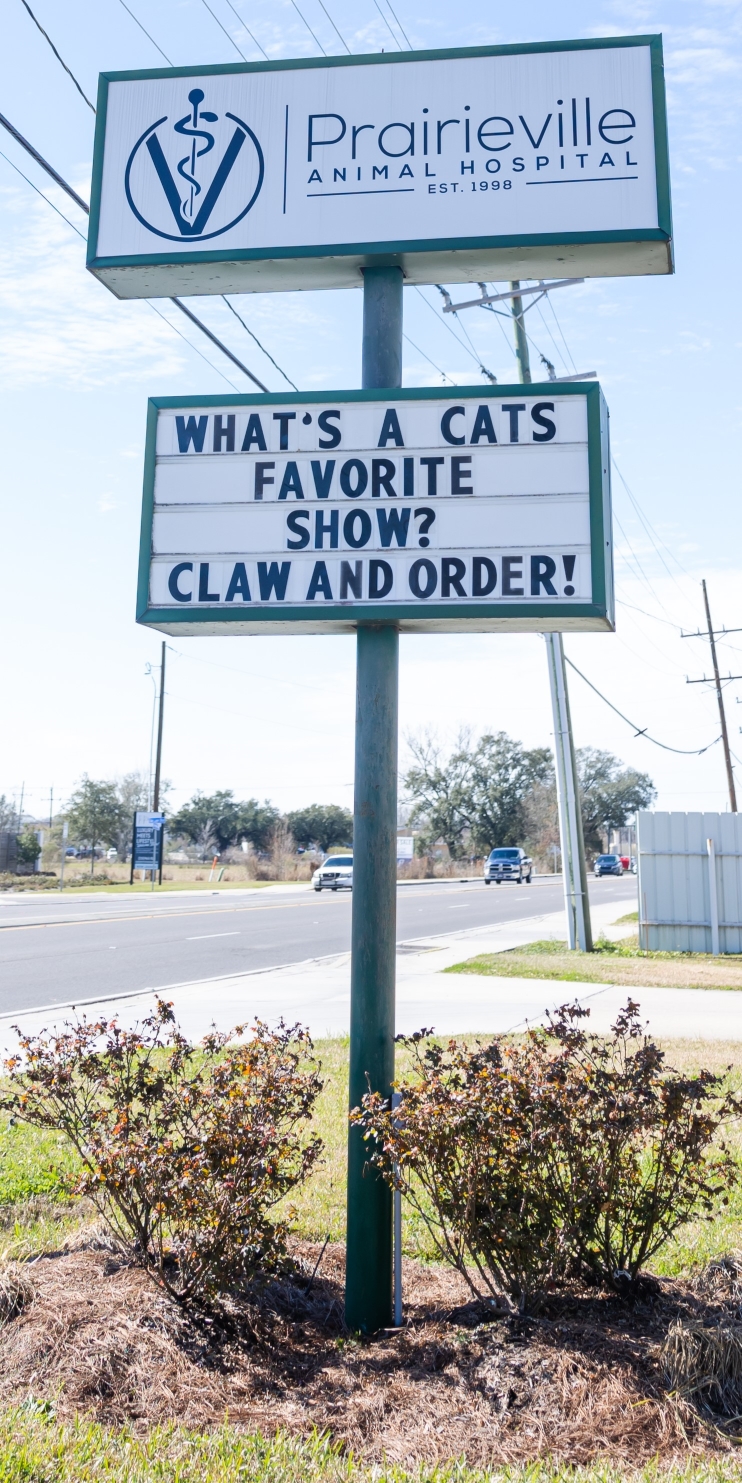
A practical closing note on partnership
If you have a senior pet and you are seeking a clinic that merges science with everyday practicality, consider the benefits of a consistent relationship with Prairieville Animal Hospital. We bring a clear-eyed assessment of aging, a tailored approach to nutrition, and a commitment to preserving dignity and energy in the senior years. Our team will take time to listen, explain, and plan in terms that resonate with guardians who live this reality daily. Aging is a shared journey, and the right partner makes the path smoother, more predictable, and fundamentally more humane.
In this space, the art of senior pet care rests on a reliable routine, a willingness to adjust, and a clinician who treats your animal with steady respect. The end goal is straightforward: a senior pet who continues to explore, play, and rest with comfort and curiosity. With Prairieville Animal Hospital, you gain a partner who understands that aging is a process that can be guided, managed, and improved through proactive care and thoughtful intervention.