Vet Clinic Prairieville Animal Hospital: Dental Cleaning Explained
In my years working with Prairieville Animal Hospital clients, the questions about dental care surface quickly, especially when a dog or cat comes in with a mouth that shows signs of wear or when owners notice a new odor around the house. A dental cleaning is not a cosmetic procedure. It is a health intervention that protects the heart, lungs, kidneys, and joints by reducing the bacterial load that can travel through the bloodstream. At Prairieville Animal Hospital, we approach dental cleanings with a practical mindset, grounded in experience and driven by the goal of keeping patients comfortable and healthy long after they leave the exam room.
The price tag and the logistics of anesthesia can feel daunting to pet owners, but a thoughtful discussion reveals the real value. A thorough cleaning, performed correctly, often prevents expensive problems down the line. This article walks through what a dental cleaning looks like at our clinic, why we prioritize certain steps, how we tailor the process to each patient, and what owners can expect before, during, and after the procedure.
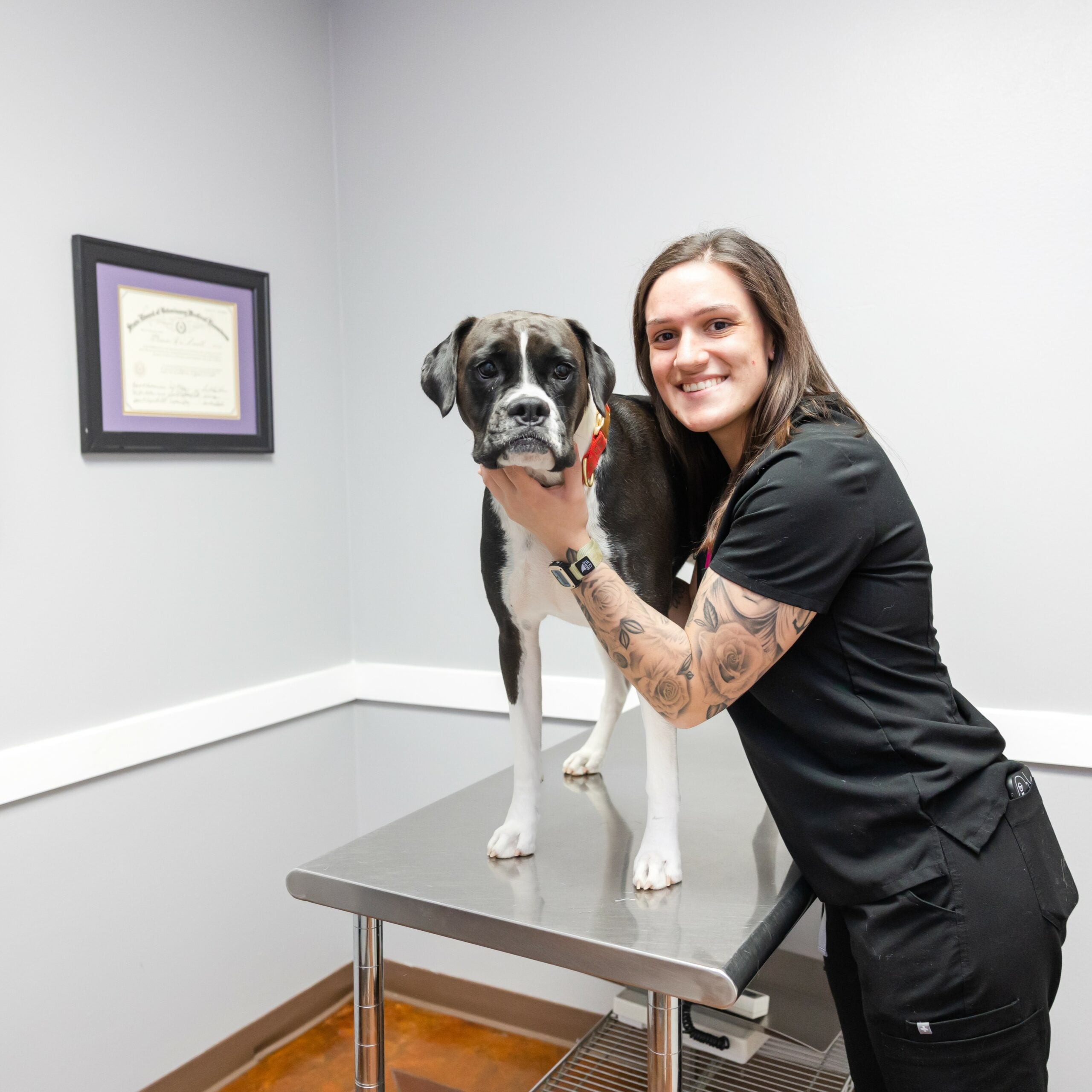
Why dental health matters in pets is not merely about bright smiles. The mouth is a gateway. Bacteria accumulate on teeth and below the gum line, and when unchecked, that bacterial load can seed infections elsewhere in the body. In cats and dogs, dental disease is linked to heart and kidney inflammation, and in some cases to liver changes as well. In practice, I have seen pets with subtle signs—tartar buildup on the molars, red and irritated gums, or a reluctance to eat soft foods—transform after a professional cleaning, not just in their breath but in their overall energy and appetite. The impact is tangible, and often it is immediate for those animals that have lived with chronic discomfort.
A typical clinic visit for a dental cleaning begins with an honest assessment of risk and an explanation of the plan. We do not treat every case as identical. Some pets arrive with minimal plaque and healthy gums, while others have advanced gingivitis or underlying issues like tooth fracture or a retained baby tooth in younger animals. The Veterinarian Prairieville Animal Hospital team takes the time to review medical history, current medications, and any behavioral cues that may indicate anxiety or stress during dental work. A transparent conversation about anesthesia is standard. We want owners to feel confident that our approach emphasizes safety and comfort.
What follows is a comprehensive look at the process, including practical details that long-time clients often find helpful. I also share insights from real-world practice—what tends to surprise first-time clients, which steps tend to lengthen or shorten a day, and how we measure success beyond a clean row of teeth.
Before the procedure: planning and safety
A dental cleaning at Prairieville Animal Hospital does not begin with scrubbing teeth. It begins with an assessment that begins in the lobby and extends into the exam room. The first priority is the pet’s overall health. If a dog or cat has a chronic condition such as kidney disease, diabetes, or heart murmurs, we adapt the plan to minimize anesthesia risk. In some cases we adjust the pre-anesthetic plan, select different monitoring equipment, or collaborate with the client to schedule the procedure at a time when the animal’s condition is most stable.
Owners are asked to provide a few practical items ahead of time. First, fasting guidelines typically mean no food for a set period before anesthesia, with water sometimes allowed until a couple of hours prior. The intent is simple: reduce the risk of aspiration during sedation. We try to keep the process smooth by giving clear, written instructions and confirming any potential food or medication sensitivities. If the pet is on chronic medications, we coordinate timing so that medications can continue with minimal disruption.
During the initial exam, we evaluate the mouth for visible issues: red or swollen gums, a obvious tooth fracture, loose teeth, or secondary signs such as pawing at the face or drooling more than usual. The mouth can hide deeper problems. A dental radiograph often reveals issues beneath the gum line, including bone loss or tooth roots that have become infected. This radiographic step is a game changer in many cases because it helps us decide whether a tooth is restorable or must be extracted. The decision to extract is not taken lightly. A tooth extraction, while routine in practice, is still a surgical procedure with its own set of risks and postoperative needs. We discuss those considerations openly with owners to ensure expectations align with the reality of healing and recovery.
The day of the cleaning, anesthesia is a central topic. Our anesthesia protocol is designed with real-world safety in mind. We use a multi-parameter monitoring setup that tracks heart rate, rhythm, blood pressure, oxygen saturation, and CO2 levels, in addition to respiratory rate and body temperature. The goal is not simply to knock the pet out but to maintain a stable physiological state that allows the dental work to be performed without undue stress to the patient. Recovery is a critical phase as well. Most animals wake up smoothly with minimal grogginess, but some may experience mild confusion or lethargy. Clients are advised about expected recovery behavior and what constitutes a red flag that should prompt a call to our clinic.
The actual cleaning: steps and expectations
Once the pet is under anesthesia and the team is ready, the cleaning itself proceeds through several stages. The sequence is designed to address both the visible surface and the hidden structures that harbor bacteria. The steps you commonly see at Prairieville Animal Hospital are consistent with what you would expect from a professional veterinary dental cleaning, but the specifics can vary depending on the pet’s mouth and overall health.
First, we perform an ultrasonic scaling to remove tartar from the tooth surfaces above and below the gum line. This is a mechanical process that breaks up mineralized deposits without harming the enamel when done by a trained professional. The operator carefully navigates around sensitive areas to avoid encouraging any trauma. The scale quickly reduces the bulk of the deposit, but it is only part of the job.
Next comes hand scaling, which allows for a refined finish. The veterinarian or veterinary technician uses small, precise instruments to clean along the gum line and in the depths of the pockets around each tooth. This step addresses areas that the ultrasonic scaler may miss or reach less effectively, ensuring that the final surface is smooth and well protected against future buildup.
Once the tooth surfaces are clean, radiographs may be taken to assess the roots and the bone around them. The images help us decide whether any tooth needs extraction or if there is underlying bone loss that will require additional care or monitoring. The goal of radiography is long-term clarity, not just a snapshot of the mouth at that moment.
Polishing follows. A smooth surface is less likely to accumulate plaque in the weeks ahead. We use a polishing paste and a fine rubber cup that gently buffs away microscopic roughness. The result is a brighter, more uniform surface that resists future deposits and is easier to keep clean at home with routine brushing and dental diets if indicated.
Aftercare planning is where ownership and care converge. Even with excellent intraoral work, the months after a dental cleaning require attention at home. Most pets tolerate a gentle transition when they wake up from anesthesia, and owners often report a sudden improvement in appetite or energy once the healing occurs. It is not unusual to see a temporary sensitivity after some extractions, but the team provides explicit instructions on pain management and signs that would require a follow-up visit.
Two critical components of the cleaning experience deserve emphasis: patient safety and owner education. The safety piece includes continuous monitoring during anesthesia and a careful evaluation of recovery. We never assume that a clean mouth equals effortless healing. Owner education, meanwhile, focuses on practical steps that support oral health between visits.
Two lists that crystallize the practical aspects
-
The cleaning process, in order: 1) Ultrasonic scaling to remove above and below the gum line tartar 2) Hand scaling to refine and reach tight areas 3) Dental radiographs to assess roots and bone around teeth 4) Polishing to render surfaces smooth and resistant to future buildup 5) Final checks and home care instructions tailored to the patient
-
Aftercare essentials for home management: 1) Daily tooth brushing for ten minutes split over two sessions, using a pet-safe toothpaste 2) A dental diet or dental treats designed to reduce plaque 3) Regular professional rechecks every 6 to 12 months, depending on risk 4) Observing for signs of discomfort, watering eyes, or visible irritation when eating 5) Maintaining routine dental radiographs if a chronic condition is present or if a previous dental issue has recurred
Note that these lists are compact anchors within the broader narrative. They serve to anchor expectations without becoming a procedural checklist that owners can misinterpret as the entire workflow. The reality of dental care in a veterinary setting includes adjustments based on the animal’s temperament, the anatomy of particular breeds, and the presence of medical conditions that may shift the balance of risk and reward.
Species, breed, and individual considerations
Dogs and cats present very different dental landscapes, and even within a species, there is significant variation. In small breeds, crowding of teeth can create narrow gaps where plaque accumulates quickly. In larger dogs with a strong bite, heavy tartar on molars is a frequent finding because of the mass and chewing patterns. In cats, gingivitis is a frequent problem, and many cats tolerate dental work poorly if anxiety is high. At Prairieville Animal Hospital, we approach each case with a mindset that blends technique with demeanor. A calm, slow approach is often the best way to minimize stress and keep anesthesia duration reasonable.
Dietary choices and environmental enrichment can influence oral health as well. A pet that chews on tough bones or sticks frequently may experience different wear patterns than a pet that chews only soft food. The choice of chew items, dental chews, and even water additives can contribute to plaque control, but nothing entirely replaces brushing. The message here is practical: home care works best when it is simple enough to perform regularly and doesn’t provoke anxiety in either pet or owner.
Root causes of dental problems sometimes reveal themselves only after a closer look. A chipped tooth may be painful but not obviously so, especially in a dog that hides signs of discomfort. A root abscess can be quiet for months, with intermittent pawing at the mouth or trouble eating on one side. Dental radiographs uncover these hidden issues, and that is one reason why proactively including radiography in a cleaning is so valuable. The same may apply to older animals with periodontal bone loss, where the risk of extraction becomes higher as the disease advances.
The anesthesia conversation, revisited
Anesthesia can be the part of the conversation that prompts the most questions. check this out People worry about the risk, especially when their pet is a senior or carries a chronic illness. The reality is nuanced. Anesthesia for dental cleaning is a carefully calibrated procedure. We gather a medical history, perform a preoperative examination, and tailor the anesthetic protocol to the animal’s needs. A common approach is to use a combination of sedatives and anesthetic agents that allow for smooth induction and a stable depth of anesthesia throughout the procedure. Intraoperative monitoring catches any minute changes in heart rate, blood pressure, and oxygenation so the team can respond immediately.

Recovery depends on several factors, including how deeply the animal slept and how well pain is controlled. We provide analgesia for the immediate post-operative period and may arrange a short course of oral analgesics. It is not uncommon for a pet to wake with a slight grogginess, but the goal is a quick and comfortable recovery so the animal can return home to familiar surroundings without stress.
Common questions and practical wisdom
Owners frequently ask how long a cleaning takes and how soon they can see results. A typical dental cleaning day in the clinic runs from arrival through discharge within a few hours, though some cases may require longer if extractions or radiographs are needed. The visible result—the pet’s mouth—looks cleaner almost immediately, but the broader benefits are about healing and reducing future risk. When a tooth is extracted, owners notice improvement in eating behavior and a reduction in behavior that signals discomfort.
Another frequent question concerns frequency. How often should a pet receive a dental cleaning? The short answer is that it depends on risk. Dogs with heavy tartar, gingivitis, and periodontal disease may benefit from cleanings every six months, whereas pets with healthy mouths and good home care might do well with yearly visits. We also recommend checkups in between cleanings if owners observe signs such as halitosis, drooling, or changes in appetite. The plan is always customized, balancing the pet’s health scope and the client’s practical capacity for ongoing care.
Real-world outcomes and measurable benefits
In practice, dental cleanings have a measurable impact that extends beyond the pet’s breath. A clean mouth reduces inflammation in the gums and supports better chewing comfort, which can translate into improved energy and activity levels. We document oral health indices during each visit, including gingival health, pocket depth around teeth, and tooth mobility. Trends in these numbers over time help us adjust the treatment plan. When we reduce the bacterial burden and preserve natural teeth, animals often demonstrate more consistent appetite, steadier weight, and fewer behavioral changes linked to discomfort during meals.
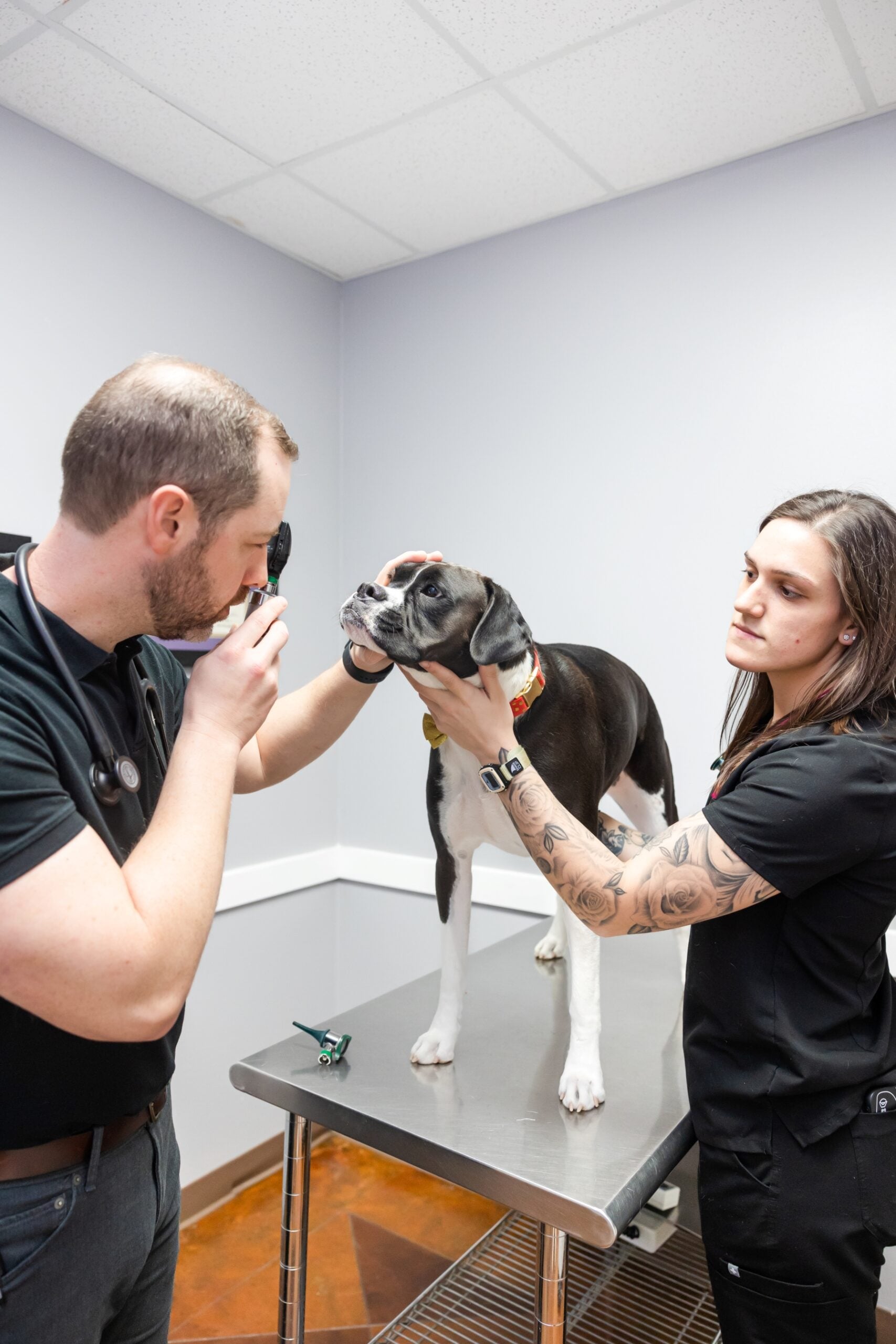
We also discuss potential complications that owners should expect and how to respond. A minor, temporary sensitivity after cleaning is normal, especially if a few extractions were necessary. Severe bleeding or persistent swelling is not typical and would require a follow-up visit. Clear post-operative instructions, including signs of pain or infection to watch for, help get patients back to their routines with minimal disruption.
The role of home care and how to build it into daily life
Home care is the daily work that makes the dental cleaning pay off. The best outcomes come from a manageable routine that feels natural to the pet and the owner. We emphasize simple habits that can be integrated into the existing daily routine. Brushing remains the cornerstone. If a dog owner reports that brushing is difficult, we offer practical alternatives, such as dental wipes or a schedule that pairs brushing with a favorite treat to create a positive association. For cats, we often start with a soft-bristled brush and a gradual introduction to brushing over several weeks.
In addition to brushing, we discuss dietary considerations. Some pets benefit from dental diets that have clinically proven plaque-fighting properties. Others thrive on hard chews that promote mechanical cleaning. It is essential to choose products that are appropriate for the pet’s age, health status, and dental anatomy. We caution against aggressive chews that could fracture teeth, particularly in older animals or those with a known dental defect. The aim is consistent, gentle care rather than sporadic, aggressive interventions.
The practice of ongoing learning and client collaboration
The relationship with clients is ongoing. We encourage owners to ask questions and to bring their observations to each visit. Dental health is a dynamic area of veterinary medicine, where new products and techniques can offer incremental improvements. We stay updated on best practices and adapt our recommendations to reflect what is practical and proven in the field. Our goal is to create a partnership with pet owners in Prairieville, one that makes dental health a steady part of animal wellness rather than an occasional afterthought.
A note on accessibility and logistics
The logistics of scheduling, payment, and post-operative care are practical realities. We strive to make dental care accessible and predictable. Some clients prefer to bundle a dental cleaning with a general wellness check or a vaccination visit, which can minimize the number of trips to the clinic. Others opt for a stand-alone dental appointment to focus on the mouth and the dental radiographs that illuminate the full scope of the work. Our team is prepared to discuss financing options and to help families plan for the cost without sacrificing quality.
From the perspective of a veterinary professional, the dental cleaning is a structured, repeatable process that blends science and empathy. The science includes a series of validated steps—scaling, root planing when necessary, radiography, polishing, and a careful interpretation of the radiographs and the intraoral findings. The empathy comes from recognizing that the animal cannot articulate discomfort and from guiding the owner through a journey that improves the pet’s quality of life.
What sets Prairieville Animal Hospital apart in dental care
The practice has a longstanding commitment to clinical excellence, rooted in a philosophy that prioritizes conservative, humane care. We aim to preserve as many natural teeth as possible while recognizing when extraction is in the patient’s best interest. Our team works to minimize the stress of dental visits for anxious pets by employing gentle handling techniques, familiarization with the dental environment, and, when needed, short, precisely controlled sedation protocols. The end result is a dental experience that is predictable and safe, with a clear plan for the future.
Real-life anecdotes from the clinic illustrate the power of well-delivered dental care. A terrier’s owner noticed that the dog was reluctant to chew bones and seemed uncomfortable during meals. A dental cleaning revealed tartar build-up and moderate gingival inflammation. After the procedure and a tailored home care plan, the dog returned to a more enthusiastic appetite and began to show interest in a wider range of textures during meals. In another case, a senior cat with a long history of dental discomfort benefited from a conservative extraction plan that relieved pain and improved the cat’s willingness to groom and eat. These stories underscore how dental work can transform daily life for pets and their people.
Key takeaways for pet owners planning a dental cleaning
- Preparation matters: Firm but reasonable fasting, a clear medications plan, and a look at medical history help the team tailor anesthesia and minimize risk.
- The procedure is multi-stage: A combination of ultrasonic and hand scaling, radiographs, and polishing yields a clean, smooth surface that resists buildup.
- Post-operative care matters: Home care, including brushing and dietary strategies, is the primary driver of long-term results.
- Don’t fear the unknown: If a tooth needs extraction or advanced treatment, the goal is pain relief and improved function, not a cosmetic outcome.
- Plan for the future: Regular rechecks and radiographs help identify problems early and keep the mouth healthy over time.
If you are considering a dental cleaning for your pet, Prairieville Animal Hospital can guide you through the decision with clarity and compassion. We understand that this is an investment in comfort and longevity, not merely an aesthetic improvement. The first conversation often opens a path to a healthier mouth and a happier pet, a path that many families in Prairieville have found to be well worth the effort.
Final reflections from the clinic floor
The art of veterinary dentistry rests on a blend of technique, patience, and clear communication. Each mouth has its own story, a unique combination of anatomy, dental history, and daily life that shapes the treatment plan. In practice, the most meaningful outcomes come from partnerships with pet owners who recognize that dental health matters. When we see a dog or cat with a renewed appetite after a cleaning, or a cat whose breath becomes much more tolerable, we do not chalk it up to luck. We call it the result of focused care, consistent home habits, and a clinic culture that treats oral health as a central component of overall well-being.
For Prairieville residents, the value of a dental cleaning is not abstract. It is the difference between a pet who avoids pain and a household that enjoys a more harmonious daily routine. It is also a reminder that veterinary care is a continuum. A clean mouth today does not guarantee tomorrow’s health, but it significantly shifts the odds toward a future where the animal remains active, engaged, and pain-free. That is what we strive for in every appointment, every discussion, and every careful decision at Prairieville Animal Hospital.